
A lived story of loss
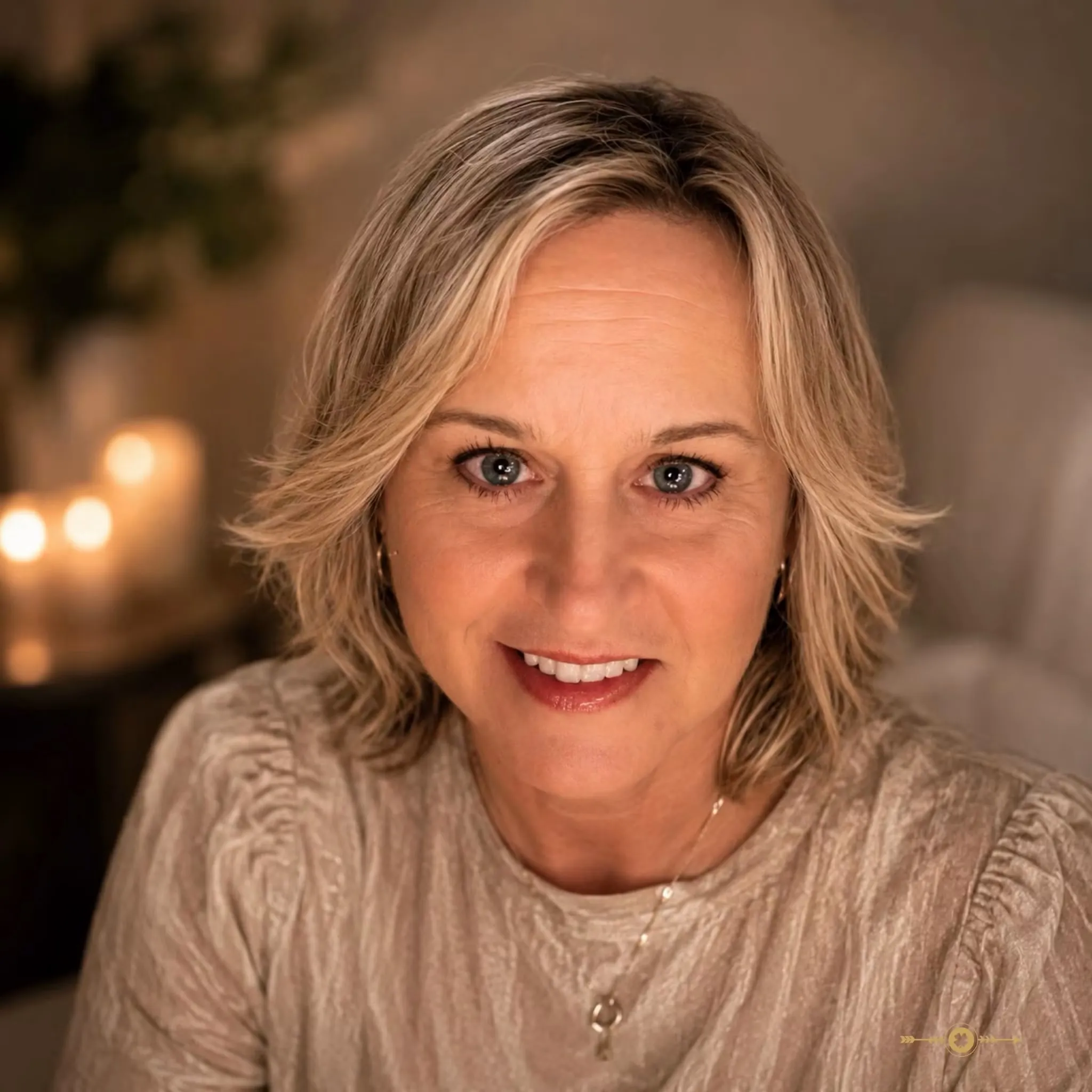
Michelle writes from inside the loss of David, with the honesty of a mother whose love for her son remains part of every page.
I am Still Here, Mom
A mother’s honest memoir for adults who want a personal story of loss, lasting love, and the questions that remain.
Michelle Lyn shares what happened after the death of her nineteen-year-old son, David, and the experiences that changed how she understood connection after loss.

Adults live with grief in many different ways. It can arrive in a quiet room after everyone else has gone home, in a familiar song, or on a date that used to be ordinary. It can sit beside work, family, friendship, and the everyday tasks that still need to be done. A book about grief can never solve that loss. It can, however, offer a private place to recognize what love still feels like after someone has died.
I am Still Here, Mom is Michelle Lyn’s memoir of losing her son David in 2022. It begins with the shock of a mother’s grief, then follows the signs, synchronicities, people, and moments that led Michelle to ask different questions about David, Heaven, and the bond she felt had not ended. She writes as a mother sharing her own experience, not as someone telling another person how to grieve.
For an adult reader who is tired of being offered quick answers, that difference matters. Michelle makes room for uncertainty, sorrow, memory, and hope without asking anyone to follow a timetable. Her story is personal and spiritual, but it leaves readers room to approach its questions from their own beliefs and their own season of loss.
Michelle writes from inside the loss of David, with the honesty of a mother whose love for her son remains part of every page.
The book makes room for questions about death, signs, Heaven, and continued connection without pretending there is one answer for everyone.
It is a story a reader can move through slowly, pause when needed, and return to when a memory or a difficult day calls for company.
Some books about grief are guides. They offer exercises, clinical language, faith teaching, or advice about what to do next. Those resources can be valuable, especially when someone is seeking a particular kind of support. A memoir serves a different purpose. It lets a reader spend time with someone else’s real story without asking them to measure their own grief against a set of steps.
Michelle does not present loss as something a person should finish, fix, or leave behind. She writes about the absence of David and the love that remains, including the moments that made her pay attention when she thought she had no strength left for another question. Her words can meet an adult reader who wants honesty more than instruction.
This is also why the memoir is not a substitute for counseling or professional support. It is one mother’s account. A reader can take comfort from the recognition of love and grief, while still choosing the practical or clinical care that is right for them.
At the center of the book is David, not an abstract idea of loss. He is Michelle’s son, a young man who was loved, known, and deeply missed. Keeping him present in the story matters because grief is not only about what happened. It is also about the person whose absence changes the shape of ordinary life, the future that was imagined, and the family that continues to love them.
Michelle shares the experiences that followed David’s death with directness. A pattern would repeat. A person would enter her path at a moment that felt meaningful. A message would seem to meet a question she had barely voiced. She also writes about journal conversations with David and her spirit guide, which became part of her search to understand what death, Heaven, and connection could mean to her.
These experiences are not offered as proof that every person will have the same ones. They are part of Michelle’s truth. For some adult readers, the spiritual reflections may feel familiar or comforting. For others, the lasting value may be the way she gives grief permission to be complicated, loving, and unfinished.
The memoir’s personal nature lets the reader keep their own perspective. They can agree, question, pause, or simply listen. There is no demand to adopt Michelle’s beliefs. There is only a mother’s willingness to share what she experienced after the most devastating loss of her life.
This memoir may be meaningful for an adult grieving a child, a parent, a partner, a friend, or another person whose presence is still felt every day. It may also speak to readers who want an intimate story rather than a general overview of grief, especially if they are open to reflections on signs, continued connection, and life beyond death.
It may be a good fit when you want to read in private, without the pressure to explain how you feel. A memoir can be opened on a quiet evening, set aside after a difficult passage, or revisited on a birthday, an anniversary, or an ordinary day that suddenly becomes heavy. The reader decides how close to let the story come.
Because Michelle’s spiritual perspective is central to the book, it will be most resonant for readers who are willing to encounter those ideas through her personal experience. It is not a theological study, a promise of certainty, or a clinical workbook. It is a mother’s story of love, loss, and the meaning she found in experiences that changed her understanding of what remains.
Readers seeking a story specifically about the death of a child can explore Michelle’s memoir for grieving parents. For a broader look at the book’s themes of loss and enduring love, visit Michelle’s page about grief and loss.
I am Still Here, Mom is available as a softcover for $16.99 and as an e-book for $7.99. Choose the edition that gives you the most comfortable way to spend time with Michelle’s story.
It is a memoir. Michelle shares her own experience of losing her son David, the grief that followed, and the signs, questions, and journal conversations that changed how she carried that loss.
It may be meaningful for adults grieving someone they love, readers who want a personal story rather than instructions, and people open to Michelle’s reflections on signs, Heaven, and continued connection after death.
No. I am Still Here, Mom is a personal memoir, not medical, mental health, or clinical grief advice.
I am Still Here, Mom is available in softcover and e-book editions through Balboa Press, and it is also available on Amazon.